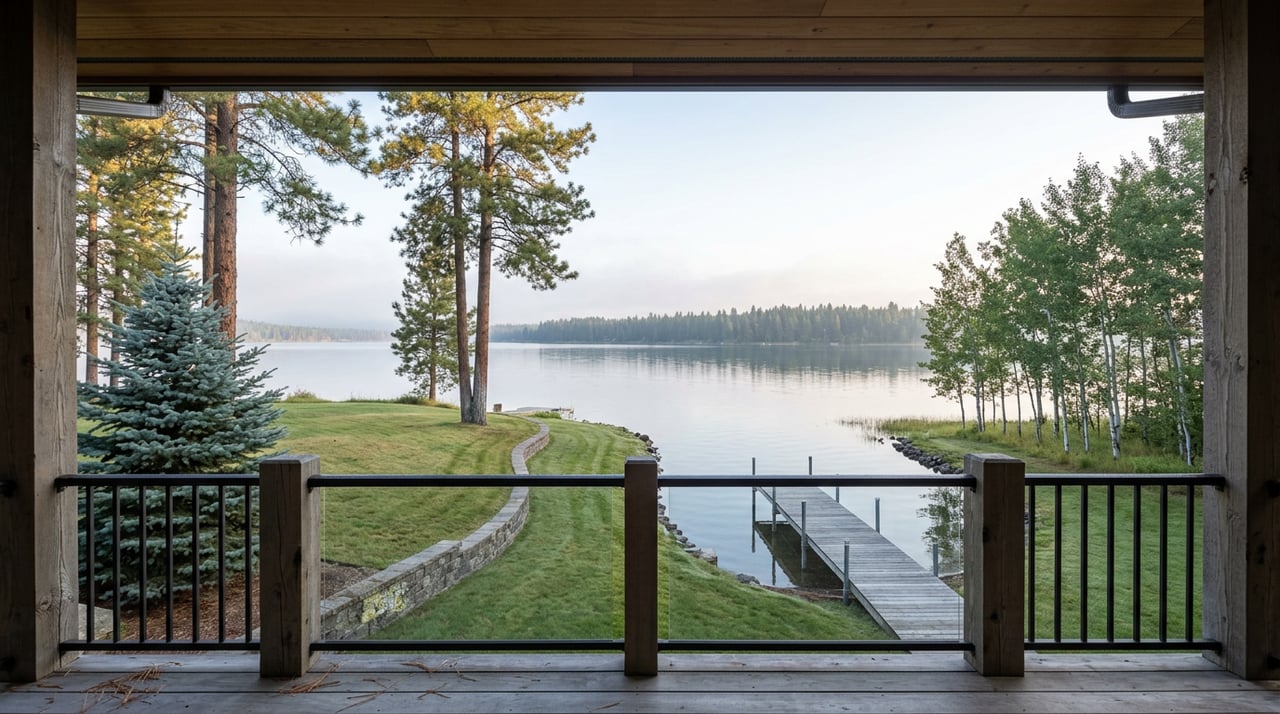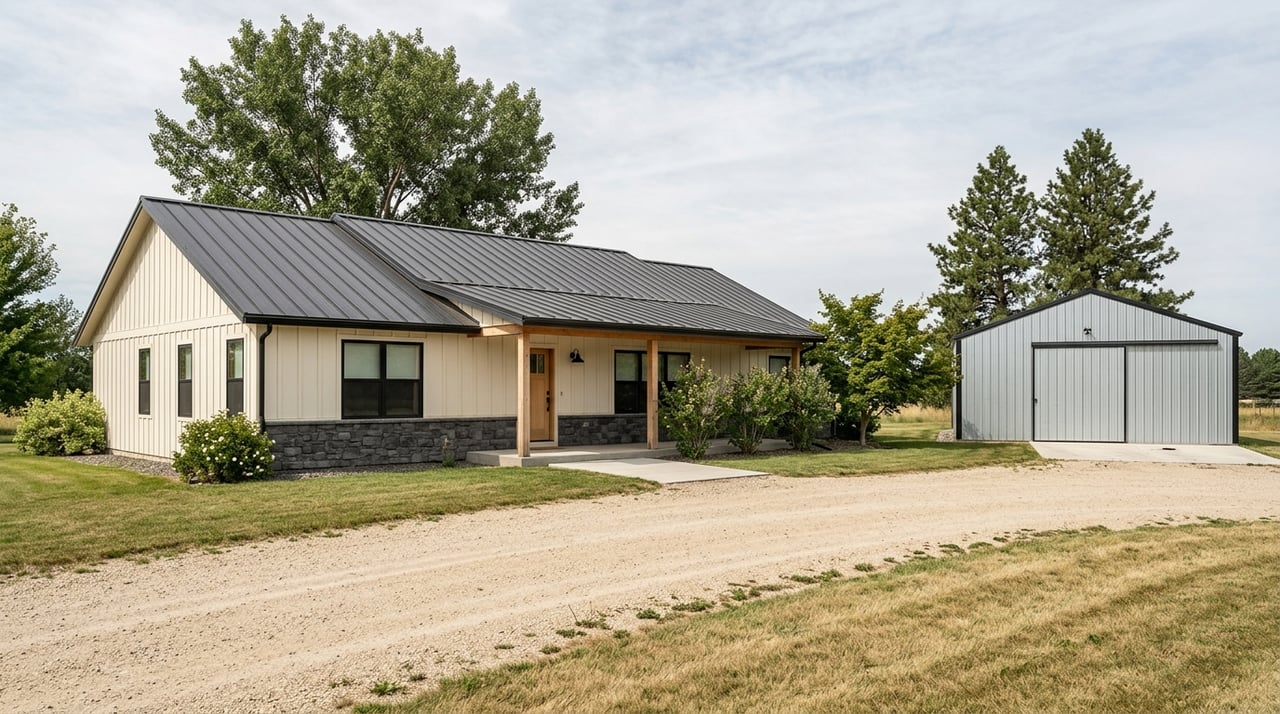
Dreaming about a little more elbow room in Middleton? Acreage and small farms can offer privacy, flexibility, and room to build the lifestyle you want, but they also come with a different checklist than a standard subdivision home. If you are thinking about buying land with a house, a hobby-farm setup, or a build-ready rural parcel, it helps to know what questions to ask before you write an offer. Let’s dive in.
Why Middleton acreage needs a closer look
Around Middleton, one of the first things you need to confirm is whether a property sits inside Middleton city limits or in unincorporated Canyon County. That single detail can affect zoning, utility options, building rules, and what you may be able to do with the land.
Middleton has its own zoning districts, including A-R for land used predominantly for agricultural purposes. Canyon County has different zoning categories, including A for protecting viable farmland and RR for rural-lifestyle growth. Because the rules change depending on location, you do not want to assume two nearby properties will work the same way.
Check city limits before anything else
If the parcel is inside Middleton, the city’s zoning and land-use table apply. Agricultural and horticultural uses are allowed in the A-R district, and agricultural buildings may be exempt from the city’s building codes, though they are still subject to zoning review.
If the parcel is outside city limits in unincorporated Canyon County, county rules apply instead. County code enforcement also notes that the county has no jurisdiction within city limits, which is why this first step matters so much when you are evaluating acreage.
What changes inside Middleton city limits
Within Middleton, lot size can affect utility requirements. Residences on lots that are two acres or larger may use individual domestic well and septic systems unless public water or sewer is within 1,000 feet.
Lots under two acres must connect to city water and sewer. If you are buying a smaller parcel with plans for a rural feel, this is one of the most important practical details to verify early.
What changes in unincorporated Canyon County
In the county, zoning categories shape how land can be used and divided. The A zone is intended to protect farmland and farming operations, while RR is aimed more at rural residential growth.
The county’s lot-size table lists A at 40 acres or administrative land-division rules, RR at a 2-acre average minimum lot size, R-1 at 1 acre, and R-2 at one-half acre. County code also requires access by frontage, easement, or road lot before a new dwelling can receive zoning compliance.
Understand zoning before you fall in love
Acreage buyers often focus on the home, the view, or the barn first. In reality, zoning should be near the top of your list because it helps answer whether your intended use matches the property.
For example, a parcel may look perfect for a hobby farm, a large shop, or future division, but the zoning, lot history, setbacks, and access rules may limit those plans. The safest move is to verify the exact zone and ask how it affects your intended use before moving forward.
Parcel splits are not always simple
Some agricultural parcels in Canyon County may qualify for administrative land divisions instead of full subdivision review. Even so, the number of new parcels depends on parcel size and history, and each new parcel must be at least one acre.
That means future split potential should never be treated as automatic. If part of your buying decision depends on creating another parcel later, that detail needs careful confirmation upfront.
Water can be more complex than expected
Water is one of the biggest differences between a subdivision home and acreage around Middleton. On paper, a property may appear to have a well or irrigation access, but the real value often depends on how that water is legally set up and delivered.
Idaho requires a drilling permit before a well is drilled, and the well must be constructed by a licensed driller. Domestic wells do not need additional Idaho Department of Water Resources approvals before the drilling permit is approved, but irrigation, commercial, multifamily, and municipal wells generally need approved water rights first.
Irrigation may come through a company or lateral
In the Middleton area, irrigation is often delivered through irrigation companies and laterals rather than a simple well-only setup. Middleton Irrigation notes that laterals carry water to properties in its service area, which is why acreage buyers should ask specific questions about irrigation delivery.
You will also want to verify whether the sale includes irrigation shares or water rights, and whether there are ditch easements affecting the property. Canyon County Code Enforcement notes that disputes over fence lines, boundaries, or irrigation uses are civil matters, so it is smart to confirm these items before closing.
Ditch easements matter for improvements
Middleton Irrigation’s ditch-easement guidance states that the standard easement is 25 feet from the top of bank on each side and should remain clear of permanent structures. That can affect where you place fences, shops, barns, landscaping, or future additions.
A property can still be a great fit, but you want a clear picture of these restrictions before planning improvements. This is especially important when a ditch runs near the home site or a likely building area.
Water rights transfer with care
In Idaho, water rights are real property rights. When ownership changes, the new owner must notify the Idaho Department of Water Resources.
If someone wants to change the point of diversion, place of use, period of use, or nature of use of an established water right, that usually requires a transfer application. For buyers, the key takeaway is simple: do not assume existing water use can be changed later without review.
Septic and well questions to ask early
If the property is on septic, Southwest District Health says a septic permit is almost always needed before a county building permit. It also requires an on-site evaluation with a 10-foot test hole before issuing a subsurface sewage permit.
For new construction, the agency asks for floor plans showing the number of bedrooms. If you are buying land to build or expand, septic feasibility and capacity should be part of your due diligence from the start.
Additions can trigger more review
Southwest District Health also says accessory-use approval is required by the county before a building permit can be issued for an addition, shop, or other building. In some cases, a new or expanded septic permit may also be required if wastewater flow changes.
That matters if you are planning a guest space, larger home footprint, detached shop, or major remodel. A property with room to expand is not always the same as a property that is ready for expansion.
Barns, shops, and sheds have their own rules
Many buyers looking at Middleton acreage want space for a barn, shop, equipment storage, or hobby-farm setup. Those improvements may be possible, but the permit path depends on where the property is located and how the structure will be used.
In Canyon County, a building permit is generally required before erecting or altering a structure. One-story detached accessory structures used as tool or storage sheds and similar structures under 200 square feet are commonly exempt, and pole or post-frame buildings require engineering.
Agricultural building exemptions still need review
In unincorporated Canyon County, some agricultural buildings are exempt from the building-permit requirement. The county defines an agricultural building as a structure for farm implements, hay, grain, poultry, livestock, or horticultural products on agriculturally zoned land of more than five acres.
Even when that exemption applies, the owner still must obtain a zoning compliance permit before construction. In other words, exempt does not mean no review at all.
City properties still need zoning checks
Inside Middleton city limits, agricultural buildings are exempt from the city’s building codes but remain subject to zoning regulations. The city’s A-R notes also tie some livestock and utility rules to lot size, which makes a site-specific review especially important.
If your goal is a true hobby-farm setup, it is worth confirming how the lot size, zoning, and planned structures work together before you commit.
Financing may not look like a typical home loan
Financing is another area where acreage properties can surprise buyers. A home on land may still finance like a standard residence if it is primarily residential, but the loan picture can change as the property starts looking more like a farm, land purchase, or income-producing setup.
Fannie Mae lists vacant land, land-development properties, and agricultural properties such as farms or ranches among ineligible property types. On the other hand, USDA Rural Development’s guaranteed single-family loan program may work for some rural residential buyers if the property is in an eligible rural area, will be owner-occupied as a primary residence, and is not an income-producing property.
Why the property profile matters
The practical takeaway is that underwriting often gets more specialized once barns, livestock, irrigation assets, business use, or vacant-land features become a major part of the property. That does not mean financing is impossible. It simply means you should line up a lender early and describe the property accurately.
This can save you time, protect your earnest money, and help you focus on listings that match your financing options.
Smart due diligence before you make an offer
Canyon County recommends checking USDA soils, FEMA flood maps, wetlands, deed and recorded documents, subdivision plats and CC&Rs, setbacks, and property-specific zoning or entitlement verification before buying. That may sound like a long list, but it is exactly the kind of homework that can help you avoid expensive surprises.
For Middleton acreage, your pre-offer questions should stay practical and specific. A little extra work upfront can make the difference between a confident purchase and a frustrating one.
Best questions to ask about Middleton acreage
- Is the parcel inside Middleton city limits or in unincorporated Canyon County?
- What zoning applies to the property?
- Does the sale include irrigation shares or water rights?
- Are there ditch easements on the property?
- Is septic documentation current?
- Were barns, shops, or sheds permitted or lawfully exempt?
- Does the parcel have legal access and enough frontage for the intended use?
Buying acreage with confidence
Acreage and small farms around Middleton can be a great fit if you want more space, more flexibility, or a property that supports a rural lifestyle. The key is knowing that these properties come with extra layers, especially around zoning, water, septic, access, improvements, and financing.
When you understand those moving parts early, you can shop with more clarity and make stronger decisions. If you want help evaluating acreage, small farms, or build-ready land around Middleton and the Treasure Valley, connect with Matthew Canterbury for clear guidance and hands-on support.
FAQs
What should you verify first when buying acreage in Middleton?
- Confirm whether the parcel is inside Middleton city limits or in unincorporated Canyon County, because zoning, utilities, and building rules can change based on jurisdiction.
What water questions matter for Middleton small farms?
- Ask whether the sale includes irrigation shares or water rights, whether irrigation is delivered by a company or lateral, and whether any ditch easements affect the property.
What septic steps matter for Canyon County acreage?
- Southwest District Health says a septic permit is almost always needed before a county building permit, and an on-site evaluation with a 10-foot test hole is typically required.
What should you know about building a shop or barn in Canyon County?
- Canyon County generally requires a building permit for new structures, though some small accessory sheds may be exempt and some agricultural buildings on qualifying agriculturally zoned land may be exempt from the permit requirement but still need zoning compliance.
What financing issues come up with Middleton acreage properties?
- Financing can become more specialized when a property functions more like a farm, vacant land purchase, or income-producing property rather than a primary residence.
What due diligence matters before offering on a small farm near Middleton?
- Canyon County recommends reviewing soils, flood maps, wetlands, recorded documents, plats, CC&Rs, setbacks, zoning, legal access, and property-specific entitlements before buying.