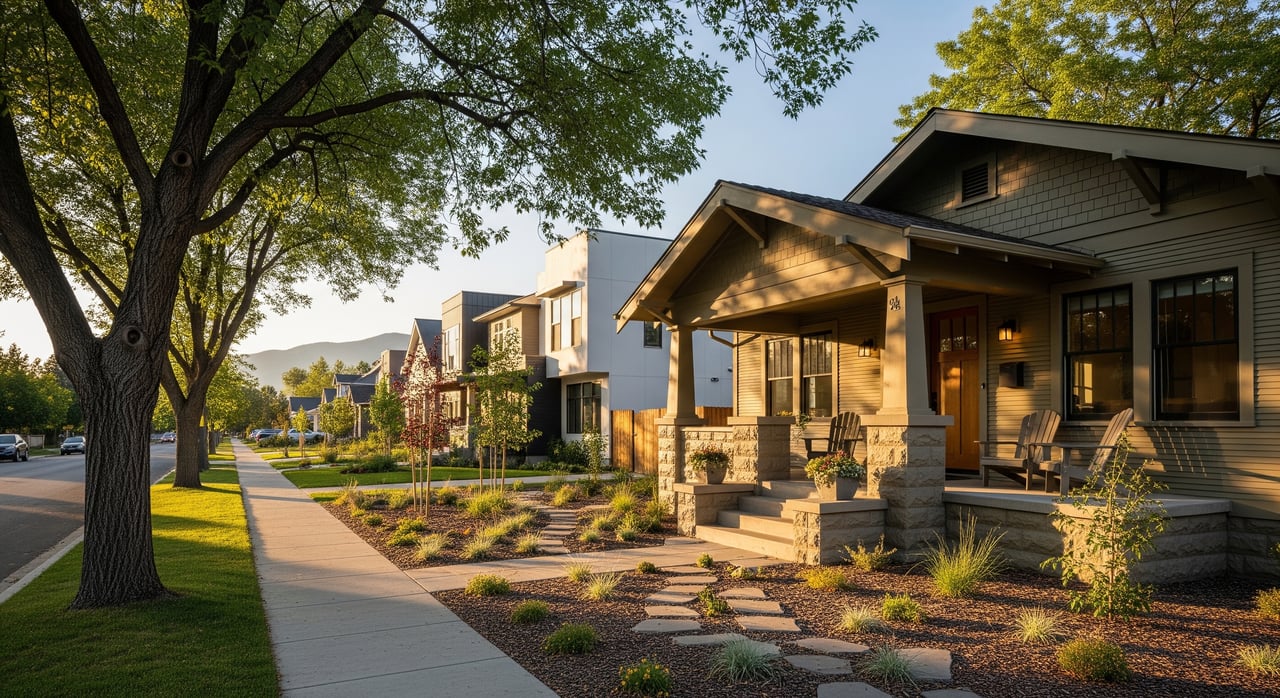
Is this the year you buy your first home in Boise? You want a place that fits your budget, keeps your commute reasonable, and puts you close to the parks, trails, and amenities you love. With so many distinct neighborhoods in the City of Trees, choosing where to start can feel overwhelming. This guide breaks down the Boise areas first-time buyers ask about most so you can compare lifestyle, housing types, commutes, and key tradeoffs with confidence. Let’s dive in.
How to choose your Boise neighborhood
Your best-fit neighborhood comes down to how you balance price, lifestyle, and long-term plans. As you compare areas, keep these priorities in focus:
- Price and housing type. Condos and townhomes often have lower entry prices, while single-family homes can offer yards and stability. Factor HOA fees and insurance into your true monthly cost.
- Commute and access. Think about drives to downtown, Boise State, hospitals, Micron, and other employment hubs. Boise’s average commute is shorter than big metros, but peak corridors can add time.
- Schools and boundaries. If schools are part of your decision, confirm current attendance zones and review Idaho’s state report card for accountability data.
- Amenities and outdoor access. Decide how important walkability, bike paths, greenbelt access, and nearby parks are to your daily life.
- Resale potential and stability. Proximity to jobs, amenities, and steady demand can support long-term value.
- Monthly carrying costs. Beyond your mortgage, include taxes, HOA dues, insurance, and typical maintenance for the home’s age.
- Natural hazards. Check flood risk near the Boise River and wildfire interface near the foothills.
Best Boise neighborhoods for first-time buyers
Below are buyer-friendly areas inside Boise city limits. Each mini-profile highlights who it suits, housing you’ll find, access, amenities, and cautions to consider.
North End: Historic, walkable living
- Buyer fit: You want a walkable, character-rich neighborhood near downtown and parks. You value bikeability and local shops over square footage.
- Home types: Craftsman and bungalow homes, many updated, on smaller lots. New construction is limited and price per square foot tends to run higher.
- Commute and access: Easy bike rides and short drives to downtown employers and medical centers.
- Schools and amenities: Close to beloved parks and cultural spots like Camel’s Back and Hyde Park. School assignments vary by address, so verify boundaries.
- What to watch: Tight inventory and strong competition can make offers competitive. Expect a premium for charm and location.
Downtown & Central Core: Low-maintenance, car-light
- Buyer fit: You want condo or townhome living with strong walkability and minimal maintenance. You may also be considering a property with rental potential.
- Home types: Condos, lofts, and townhomes with HOA fees that cover shared amenities and upkeep.
- Commute and access: Near-zero commute to downtown offices, transit access nearby, and easy access to dining and events.
- Schools and amenities: Cultural hotspots, restaurants, and river access are close. Private outdoor space is limited.
- What to watch: Budget for HOA dues in your monthly plan. Traditional single-family options are scarce in the core.
Boise Bench: Close-in value with character
- Buyer fit: You want a central location and better price points, and you’re open to homes with updates or light renovation.
- Home types: Mid-century and older single-family homes on established streets. Mix of move-in ready and fixers with equity potential.
- Commute and access: Short drives to downtown, hospitals, and Boise State. Convenient to major corridors.
- Schools and amenities: Established parks and commercial corridors nearby. School performance can vary by zone, so verify for your address.
- What to watch: Conditions can vary block by block. A thorough inspection and neighborhood-level research are recommended.
Southeast Boise: Trails, river, and newer homes
- Buyer fit: You want newer floor plans, yards, and quick access to the foothills, greenbelt, and river.
- Home types: Newer subdivisions and planned communities with single-family homes and townhomes. Some include community amenities.
- Commute and access: Reasonable drive to downtown and campus; times vary by exact location.
- Schools and amenities: Several nearby schools and abundant outdoor access, including foothills trails and the greenbelt.
- What to watch: Prices for newer homes can sit above city medians. Review HOA rules and check wildfire risk for areas near the foothills.
West Boise & Collister: More space for your budget
- Buyer fit: You want single-family homes at lower price points than inner-core areas and easy access to shopping.
- Home types: Mix of older single-family houses and some newer infill. Often more square footage for the price than historic areas.
- Commute and access: Drives to downtown typically fall in the 20–30 minute range depending on traffic. Good access to major corridors.
- Schools and amenities: Close to retail centers, groceries, and parks. School ratings vary by zone; confirm assignments.
- What to watch: More car-dependent than central neighborhoods. Peak-hour traffic can extend commute times.
Near Boise State: Short commutes, rental upside
- Buyer fit: You want quick access to downtown, hospitals, and campus, with potential for long-term rental demand.
- Home types: Smaller single-family homes, duplexes, and some townhomes. Mix of owners and renters.
- Commute and access: Very short trips to Boise State, downtown, and medical centers. Plenty of dining and entertainment options.
- Schools and amenities: Parks and river access nearby add lifestyle perks.
- What to watch: Student-driven rental cycles can affect neighborhood feel and resale considerations. Verify zoning and any rental restrictions.
Match your budget to housing type
Start by deciding whether a condo, townhome, or single-family home best fits your monthly budget and maintenance preferences.
- Condos and townhomes: Often a lower purchase price and simplified maintenance. Be sure to include HOA dues, insurance, and reserves in your monthly cost.
- Single-family homes: Higher purchase price but more control over the property and outdoor space. Budget for ongoing maintenance, especially in older homes.
- Fixer versus move-in ready: Older homes on the Bench or West Boise can offer value if you are comfortable with light renovations. Ask your agent for recent comparable sales to gauge potential.
Commute, transit, and bike access
Boise offers relatively manageable commutes compared to larger metros, but your experience will vary by corridor and time of day. When you tour homes, test your peak-hour drive to work, look at bike routes to downtown or campus, and note transit options where available. Central core and North End areas tend to be more walkable and bike-friendly, while West Boise is more car-centric but offers quick access to major roads.
Schools and attendance boundaries
If school assignments matter to your decision, verify the current boundary for any address you consider. District lines can shift over time and may differ street by street. Review Idaho’s state accountability data to understand performance trends. Because boundaries and ratings change, always confirm details before you write an offer.
Hazards and due diligence in Boise
Boise’s natural setting is a big part of its appeal, and it’s wise to check a few items during your search:
- Flood risk: If you are near the Boise River or low-lying areas, consult official flood maps and talk with your insurer about potential coverage requirements.
- Wildfire interface: Properties near the foothills may sit in the wildland-urban interface. Ask about defensible space and local fire district guidance.
- Older home considerations: For mid-century and earlier homes, plan for a professional inspection and review of any past water intrusion or lead-based paint disclosures.
First-time buyer checklist for Boise homes
Use this quick list as you zero in on specific properties:
- Verify current neighborhood median sale price and inventory using local market data.
- Confirm exact school assignment through the district’s boundary lookup tool.
- Review HOA documents, dues, and reserve studies if buying a condo or townhome.
- Pull 3–6 recent comparable sales within the past 6 months for pricing context.
- Order a thorough home inspection and review seller disclosures.
- Check FEMA flood maps if near the Boise River and wildfire interface maps if near the foothills.
- Drive your commute during peak times and review transit or bike alternatives.
- Confirm the property tax rate and recent levy history through the county assessor.
- Ask about upcoming public or private projects with the city’s planning department.
Putting it all together
If you want a walkable, urban feel with historic charm, the North End or the central core can be great fits, understanding you may trade space for location. If you want newer floor plans and outdoor access, Southeast Boise is worth a look. For close-in value and character, the Boise Bench offers variety and potential. If you want more home for your budget and quick highway access, West Boise and Collister deliver solid options. Near Boise State, you’ll find short commutes and rental flexibility.
Ready to tour neighborhoods and compare real numbers for your budget? Our team pairs local insight with up-to-date market data to help you buy with confidence. Reach out to Matthew Canterbury to start your Boise home search today.
FAQs
What are the most affordable areas for first-time buyers in Boise?
- Pockets of the Boise Bench and parts of West Boise historically offer lower entry prices, especially for smaller single-family homes or attached options.
How do HOA fees affect my budget when buying a condo in Boise?
- HOA dues cover shared upkeep and amenities but increase your monthly cost, so include them with mortgage, taxes, and insurance when comparing condos to single-family homes.
Which Boise neighborhoods have the shortest commutes to downtown?
- North End, Downtown/Central Core, the Boise Bench, and areas near Boise State generally offer shorter drive or bike times to downtown and nearby hospitals.
Are there wildfire or flood risks I should check in Boise?
- Yes; verify flood exposure near the Boise River and wildfire interface near the foothills, then discuss insurance and mitigation with qualified professionals.
How do I confirm school assignments for a Boise address?
- Use the Boise School District’s boundary lookup to confirm the current assignment and review Idaho’s state report card for accountability data.
What’s the difference between buying a fixer versus move-in ready on the Bench?
- Fixers can offer lower entry prices and equity potential, but you should budget for repairs and updates; move-in ready homes have higher upfront prices but lower immediate maintenance.