Thinking about selling in Eagle and wondering where to start? You are not alone. Pricing feels high stakes, and presentation can make or break your first impression online and in person. In this guide, you will learn how to zero in on an accurate list price, use online estimates the right way, and stage your home so Eagle buyers take notice. You will also get a simple prep timeline and must‑do local paperwork. Let’s dive in.
Know the Eagle market now
Eagle’s numbers can look different depending on the source. Local MLS summaries and monthly reports may not match portal indexes because of how each dataset handles new construction, luxury estates, and resales. The takeaway for you is simple: rely on neighborhood‑level data and a local CMA to set price, not a single online number. For monthly context, review the latest Boise Regional REALTORS market report.
Why medians differ in Eagle
New construction and high‑end estates can pull published medians higher than what many mid‑market resales achieve. Some datasets include more of these sales than others. That is why you will see variation across sources and why a hyperlocal CMA matters. Start local, then work outward.
What this means for your listing
Well‑presented homes in the right micro‑locations can still move quickly, while older or mid‑market resales need to compete on price and condition. Your goal is to position your home at the front of the pack for similar properties buyers are seeing this week. A precise CMA and smart staging help you do that.
Build a hyperlocal pricing CMA
A comparative market analysis is your pricing backbone. Focus on the most similar homes near you, then adjust for differences in living area, lot, age, and features.
Define your micro‑location
Eagle buyers value specific settings like Avimor, downtown Eagle, and the Eagle Island/Greenbelt area for trails, river proximity, and foothill views. Treat each as its own micro‑market when possible. Get familiar with community features highlighted in local coverage like Avimor’s trail‑centric lifestyle.
Start with recent solds
Use closed sales from the last 3–6 months in the same neighborhood. If volume is thin, extend to 9–12 months and apply market‑condition adjustments. Appraisal standards emphasize similarity in location, size, condition, and sale date. See guidance on comp selection and adjustments from the Appraisal Institute’s practice notes.
Pick and adjust comps
Aim for 3–6 primary comparables with similar bed/bath counts and living area. Track active and pending listings too, since they signal current demand. Adjust for measurable differences like square footage, lot size, age, major systems, garage capacity, pool, views, and finish quality. Record the rationale for each adjustment in your CMA.
Separate new construction
Treat new‑builds and builder incentives as a distinct sub‑market. They often list higher and can skew averages if you mix them with resales. Comparing resales to resales keeps your pricing grounded in what your target buyers are actually choosing this month. Check local market trends in the Boise Regional REALTORS report.
Cross‑check and reconcile
Compare your CMA result to broader MLS medians, list‑to‑sale ratios, and price‑per‑square‑foot trends. If your number is far off from a portal estimate, look for missing data like permits, upgrades, or acreage that an algorithm may have missed. Your goal is not to match a single number, but to land on a defensible range supported by real sales.
Example: simple comp adjustments
This quick example shows how an agent might adjust a nearby comp. Numbers are illustrative and based on paired‑sales logic often cited in appraisal practice. Use real local data for your home.
| Difference vs your home | Typical direction | Example adjustment |
|---|---|---|
| Comp is 500 sq ft larger | Subtract from comp | −$50,000 |
| Comp has a 3‑car garage, yours 2‑car | Subtract from comp | −$10,000 |
| Comp lacks a view, you have one | Add to comp | +$15,000 |
| Comp has older roof, yours newer | Add to comp | +$8,000 |
Methodology aligns with appraisal best practices on selecting and adjusting comps from the Appraisal Institute.
Use online estimates wisely
Online estimates can help you frame expectations, but they should not set your list price on their own.
What AVMs are good for
Automated Valuation Models are useful as a quick range and a cross‑check. Public filings show that errors are typically lower for on‑market homes and higher for off‑market properties, which means estimates often improve once a listing goes live. See discussion in Zillow’s 10‑K via this SEC filing source.
Academic research also finds that AVM accuracy can vary by area and property type, especially in heterogeneous markets. That is common in luxury or unique homes. Read more about spatially varying error in recent academic work.
When to lean on a human valuation
If multiple AVMs disagree by a wide margin, or your home is custom, newly upgraded, or unusual for the neighborhood, rely on a detailed local CMA or consider a professional appraisal. Appraisal standards on comp selection and adjustments are outlined by the Appraisal Institute.
Pro tip: when you prepare your listing, make sure public details are accurate and complete. Correct square footage, bed/bath counts, quality photos, and an upgrade list help both human buyers and algorithms understand your home.
Stage to win in Eagle
Staging highlights your home’s best features and helps buyers picture daily life. It can also boost your bottom line.
What matters most to buyers
Industry research shows staging often reduces time on market, and many listing agents report a 1–10 percent lift in offers on staged homes. The rooms buyer agents rank highest are the living room, primary bedroom, and kitchen. Review the findings from the NAR 2025 Profile of Home Staging.
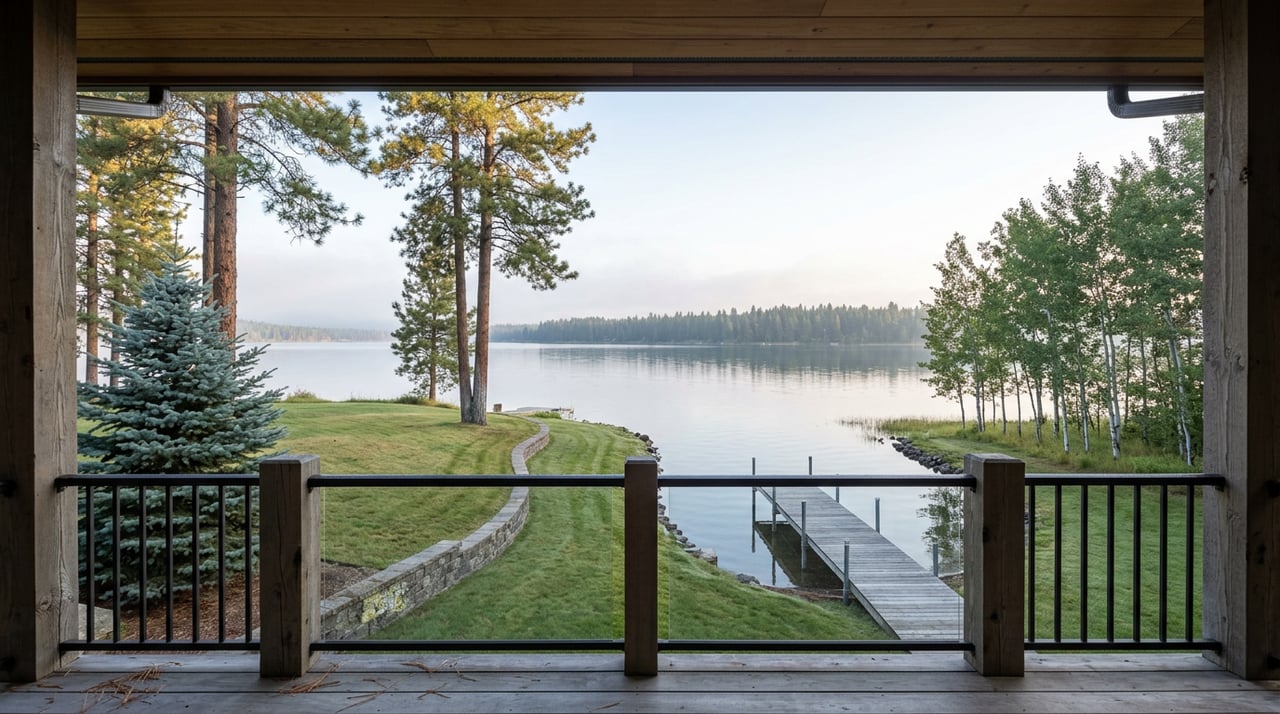
In Eagle, buyers value indoor‑to‑outdoor living, trail access, and view lines. If you have a patio, deck, or low‑maintenance yard, stage these spaces as true living areas. Local features are often showcased in community write‑ups like this look at Avimor’s lifestyle.
Staging checklist
- Curb and entry: tidy plantings, pressure‑wash hardscape, refresh door hardware, and make sure the house number is clear.
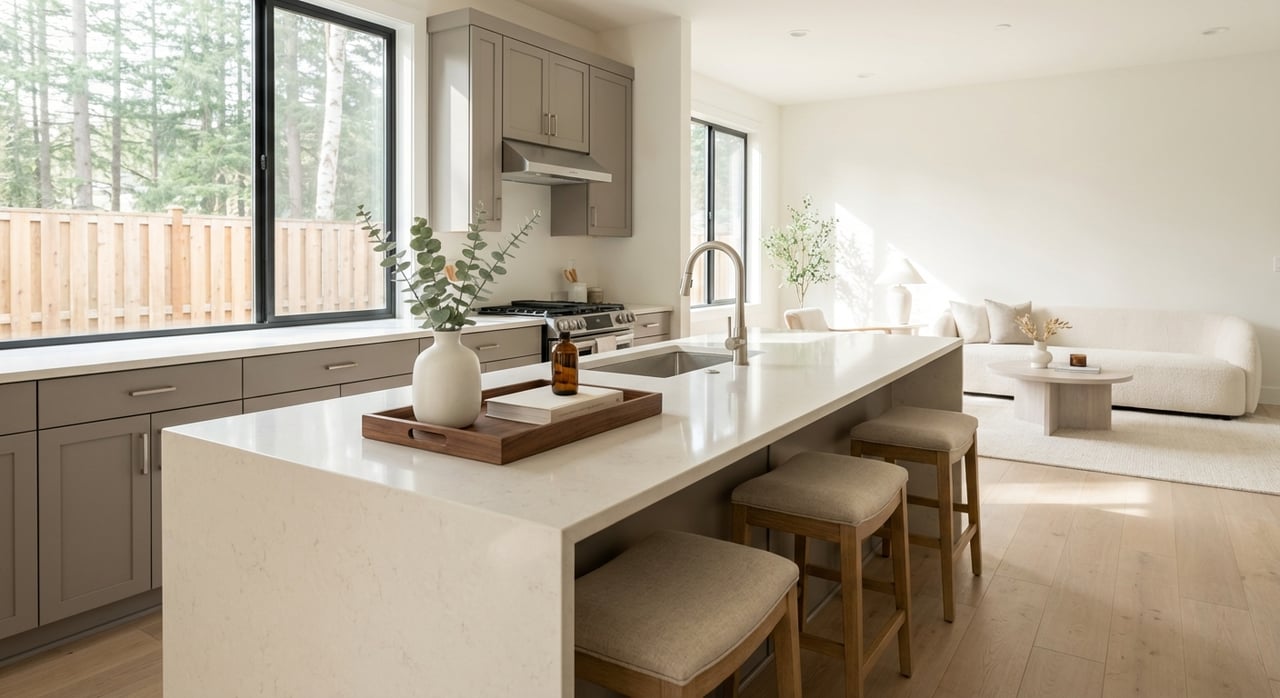
- Priority rooms: living room, primary bedroom, and kitchen should be neutral, decluttered, well lit, and furnished for easy flow. Consider a professional stager for higher‑end listings. Review room priorities in the NAR staging report.
- Outdoor spaces: create simple seating and dining vignettes with lighting to extend living space.
- Media and marketing: schedule professional photography, a measured floor plan, and a 3D tour after staging. Upper‑tier listings also benefit from drone shots and short lifestyle videos. See ideas in these luxury real estate video strategies.
- Virtual staging: for vacant homes, virtual staging can help online, but disclose it clearly. Many sellers still prefer physical staging for in‑person showings. NAR’s research supports transparency and prioritizing key rooms.
Budget note: NAR cites staging costs in the low‑thousands for many homes, with measurable gains in showing activity and offers. Targeted updates like paint, lighting, and yard refresh often deliver strong value. See the NAR staging findings.
Pricing tactics and timing
A smart price out of the gate helps you attract the right buyers faster and avoid avoidable reductions later.
Get your day‑one price right
Use your CMA to set a competitive price based on the most recent, most similar sales. Then monitor the first 2–3 weeks closely for online views, showing volume, and feedback. If traffic is weak compared to similar listings, adjust quickly with your agent’s guidance and current MLS data from sources like Boise Regional REALTORS.
Strategy options
- Price to market: align with your CMA. This reduces the risk of longer days on market and keeps negotiations close to list. Appraisal guidance supports using carefully selected, adjusted comps to define true market value. See the Appraisal Institute’s notes.
- Slightly below market: in very competitive micro‑pockets, a modest under‑ask can draw more attention and may invite multiple offers. Use this only when there is clear evidence of strong demand for similar homes in your area, supported by recent MLS activity.
- Avoid long‑shot overpricing: stretching the list price without comp support often leads to more days on market and eventual price cuts. Watch buyer feedback and showing data, then adjust before the listing goes stale.
Your 3–12 month prep plan
- 9–12 months out: meet with your agent to discuss timing and get a high‑level CMA. Prioritize improvements with the best cost‑to‑value. National remodeling studies highlight paint, curb appeal, and targeted kitchen or bath updates as solid bets. See the latest NARI Remodeling Impact Report.
- 3–6 months out: complete repairs, cosmetic updates, and landscape cleanup. Gather permits, receipts, and warranty info. Consider a pre‑listing inspection to reduce renegotiation risk.
- 2–6 weeks out: finish staging and schedule media. Finalize the list price with updated comps, and plan open‑house and marketing dates. Aim to showcase outdoor features when weather cooperates. Staging priorities are outlined in the NAR staging report.
Eagle sellers: handle these legal items
Idaho property disclosure
Idaho requires a property condition disclosure. The statutory form covers key systems and asks about items like wells, septic, and unpermitted work. Complete it accurately and deliver it on time. Read Idaho Code §55‑2508 on property condition disclosures.
Permits and records
If you made structural changes or major system upgrades, verify permit history with the city or county. If permits are missing, disclose and discuss options with your agent and, if needed, legal counsel. You can start with Ada County assessor or city tools, or use this Idaho property records resource.
Verify school zones
School boundaries can change. Confirm zones through official sources before you market that information. You can learn more about the district context via the West Ada School District overview. Use only current, verified boundary maps when listing.
Ready to list with confidence?
You deserve a pricing plan built on real Eagle comps and presentation that commands attention. If you want hands‑on guidance, a data‑backed CMA, and polished marketing that fits your timeline, reach out to Matthew Canterbury. We will help you set the right price, stage smart, and launch your listing with confidence.
FAQs
How accurate are online home estimates in Eagle?
- They are helpful as a quick range, but accuracy varies by property type and data quality. Public filings show lower errors for on‑market homes than off‑market ones, and research finds location‑dependent errors. Cross‑check with a local CMA. See Zillow’s 10‑K discussion and this academic study.
Is staging worth it for Eagle sellers?
- Yes, often. NAR reports that staging tends to reduce time on market, and many agents see a 1–10 percent lift in offer amounts on staged homes. Prioritize the living room, primary bedroom, and kitchen. Review the NAR staging report.
What pre‑list updates usually pay off?
- Fresh interior paint, curb‑appeal cleanups, lighting refreshes, and targeted kitchen or bath updates often provide strong value. Start with items that remove buyer objections. See the NARI Remodeling Impact Report.
How do new communities affect my comps in Eagle?
- New construction can sit in a different price tier and may include builder incentives. Treat them as a separate comp pool so they do not skew your resale pricing. For local context on community features, see Eagle Magazine’s Avimor overview.