Thinking about selling your Eagle home but unsure when to list for the best results? Timing does not have to be a guessing game. With a clear view of Eagle’s seasonal patterns and a practical prep plan, you can meet the market when buyers are most active and your home shows its best. In this guide, you’ll learn when demand typically peaks in Eagle, how rates and inventory can shift your strategy, and what to do over the next 3 to 6 months to launch a smooth, confident sale. Let’s dive in.
Best months to sell in Eagle
For most Eagle homeowners, the strongest window to list is spring, especially April through early June. Buyer activity typically rises during this period and homes benefit from fresh landscaping and longer daylight for showings. Early summer can still be very active, particularly for buyers who prefer to move between school years.
Activity usually softens in fall as buyers and sellers recalibrate. Winter brings the lowest overall traffic, but inventory often dips, which can lower your competition. A well-presented and well-priced home can still perform in any season, but spring generally offers the best balance of buyer volume and curb appeal.
Eagle seasonality at a glance
- Spring (April to June): Highest buyer traffic and showing activity. Strong for move-in ready homes in popular price bands.
- Early summer (July to August): Still active, especially for timing a move around the school calendar.
- Fall (September to November): Slower traffic and more negotiation. Serious buyers remain in the market.
- Winter (December to February): Lowest traffic but less seller competition. Motivated buyers are common.
What can shift your ideal timing
Mortgage rates and inventory
Interest rates and the number of homes on the market can outweigh seasonality in the short term. If rates fall, buyer demand can jump even outside spring. If rates rise or inventory grows, you may see longer marketing times.
School calendar and curb appeal
Many buyers prefer to move between school years, which supports spring and early summer demand. Curb appeal also improves with spring growth, which helps your photos and first impressions.
New construction and price band
Newly built homes across the Boise metro can affect demand for resales in certain price points. Entry-level and mid-market homes often move faster and show a stronger seasonal lift than higher-end properties.
Luxury or custom cadence
Higher-end homes in Eagle may require more time on market and a customized plan. For these homes, targeted outreach, staging, and a strategic launch can matter as much as the month you list.
Who should list when
- General recommendation: List in spring, ideally April through early June, to capture peak buyer activity and strong curb appeal.
- Need to sell now: If you are relocating or facing a time-sensitive situation, list as soon as practical. Focus on clean presentation and right pricing.
- Luxury or custom homes: Consider a tailored calendar with extended pre-marketing and broker previews to reach the right buyers.
- Low-competition strategy: Late fall or winter can work when inventory is scarce. You will see fewer showings but often more motivated buyers.
- Rate-aware strategy: If rates are expected to improve within your 3 to 6 month window, waiting slightly could expand your buyer pool.
3 to 6 month prep timeline
Use this timeline to get market-ready without rushing. Adjust based on your home’s condition and your target list date.
3 to 6 months out
- Select a local listing agent and request a Comparative Market Analysis to define your price band and timing.
- Schedule a pre-listing inspection if appropriate. Address major findings early.
- Plan and permit major repairs or upgrades that require contractor lead times, such as roofing, HVAC, or significant electrical and plumbing work.
- Map out landscaping updates. Larger yard projects and new plantings benefit from early planning.
- Evaluate staging needs and book a stager if recommended.
6 to 12 weeks out
- Complete major repairs and permit work.
- Finish cosmetic updates, including neutral paint and floor refinishing where needed.
- Declutter and start editing furniture to open up rooms.
- Deep clean, including carpets, windows, and vents.
6 to 2 weeks out
- Knock out minor repairs and touchups, such as hardware, grout, and light fixtures.
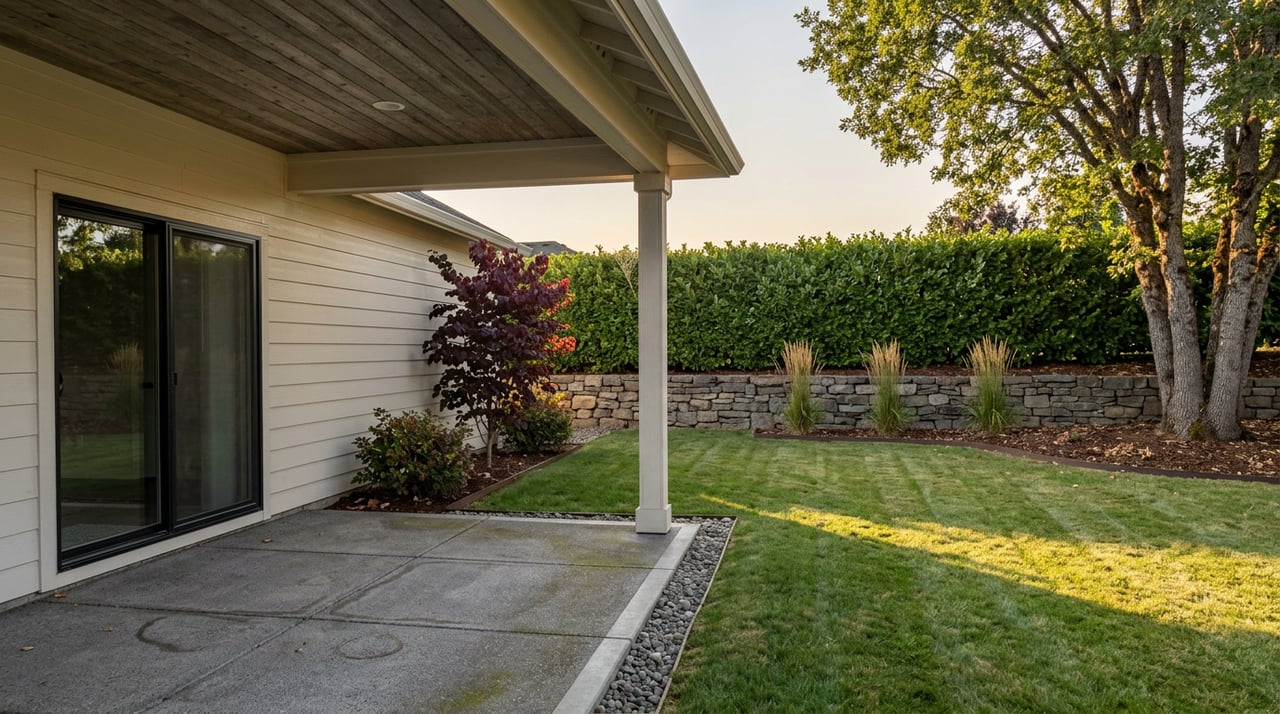
- Install seasonal flowers, refresh mulch, and power wash exterior surfaces.
- Schedule professional photos, video, and a virtual tour. Time exterior shots for good light.
- Prepare disclosures and gather documents, including HOA materials and warranties.
- Do a final walk-through with your agent to confirm list price, marketing plan, and showing instructions.
Final 72 hours
- Clean thoroughly and depersonalize.
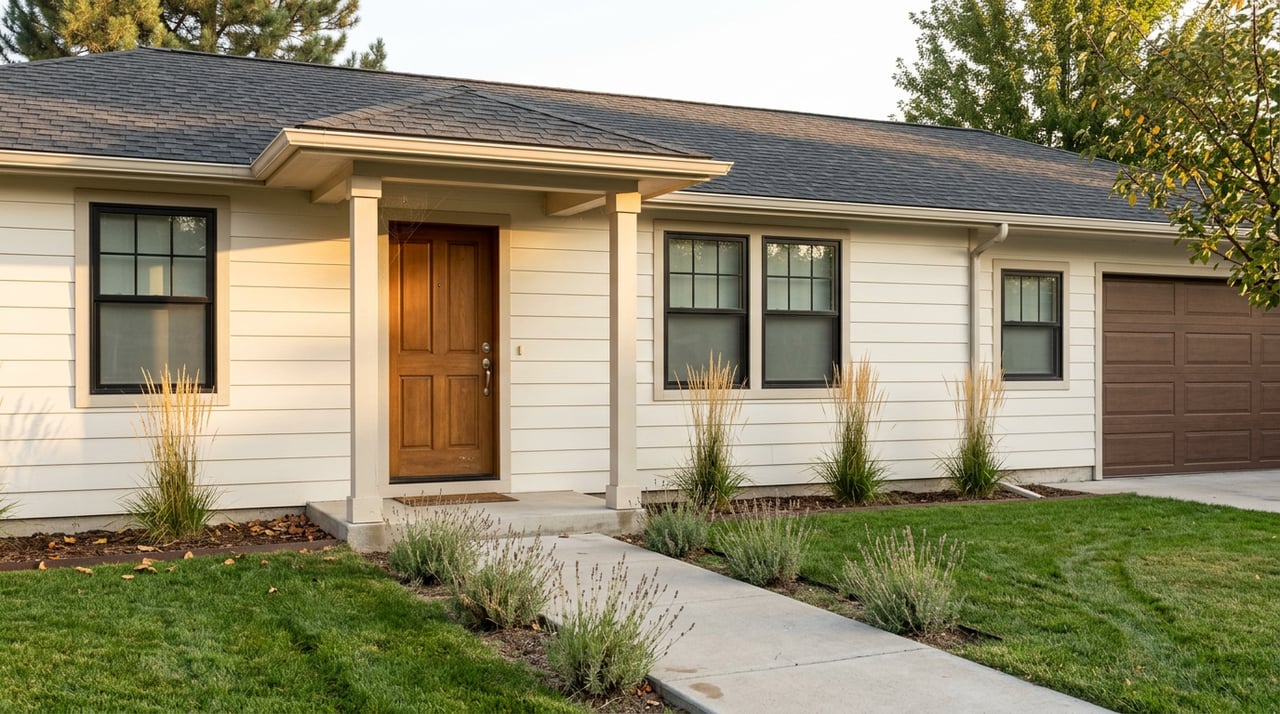
- Tidy landscaping and clear driveways and entryways.
- Set up lockbox and confirm keys.
Eagle pre-listing checklist
Priority 1: Immediate, high impact
- Fix price-ready items: leaky faucets, sticky doors, loose railings, and burned-out lights.
- Deep clean, declutter, and depersonalize main living areas and bedrooms.
- Paint high-impact rooms in neutral colors.
- Update dated lighting and hardware where affordable.
- Book professional photos and request a floor plan.
Priority 2: Medium impact
- Order a pre-listing inspection and fix key items.
- Refresh kitchens and baths with new faucets, cabinet hardware, and regrouted tile.
- Boost curb appeal with mulch, trimmed shrubs, and power washing.
- Stage or re-arrange furniture to highlight space and flow.
Priority 3: Long lead or higher cost
- Replace major systems such as roof or HVAC if needed.
- Replace flooring where worn.
- Plan larger remodels or hardscape projects well in advance.
Documents to gather early
- Seller’s Property Disclosure and any known material facts.
- Recent survey or plat maps, permits, and completion certificates.
- HOA documents, including rules, covenants, fees, and recent meeting notes if available.
Local notes for Idaho sellers
- Idaho requires sellers to disclose known material defects using a standard disclosure form. Prepare it early.
- Ada County records and tax information can be pulled from county offices if you need supporting documents.
- Idaho has no statewide real estate transfer tax. Local assessments or HOA transfer fees may apply, so confirm with your title company and HOA.
Pricing and marketing that work in Eagle
Effective pricing starts with a data-backed CMA and a clear understanding of current inventory and buyer demand in your price band. Pair that with polished presentation to create early momentum. Professional staging, crisp photography, video, and an engaging listing description help your home stand out as soon as it hits the market.
Your showing strategy also matters. Coordinate open houses and showing windows that fit buyer schedules, especially during spring weekends when activity is highest. If you receive strong early interest, use clear offer timelines and instructions so buyers can present their best terms the first time.
Ready to talk timing and prep?
If you are planning to sell in the next 3 to 6 months, now is the right time to align your timeline, pricing strategy, and prep plan. You will get step-by-step guidance, a data-informed CMA, and a marketing approach tailored to Eagle’s seasonal patterns and your home’s unique features. Connect with Matthew Canterbury to map your ideal list date and launch with confidence.
FAQs
Is spring always the best time to sell in Eagle?
- Spring is typically the busiest season with the most buyer traffic, but your optimal timing can depend on mortgage rates, inventory, and your personal goals.
Can listing in winter result in a better sale price in Eagle?
- Winter often has less inventory, which reduces competition from other sellers, but buyer volume also declines. It can work well if your home is priced right and you want a faster move.
Should Eagle sellers order a pre-listing inspection?
- A pre-listing inspection can uncover issues early, reduce renegotiations, and build buyer confidence. It is especially helpful for older homes or when you suspect repairs are needed.
How far in advance should I start on curb appeal in Eagle?
- Start 8 to 12 weeks before listing for new plantings or lawn repair. Shorter timelines can still add impact with mulch, trimming, and potted flowers.
How do mortgage rates influence the timing of my Eagle home sale?
- Higher rates can shrink the buyer pool and extend days on market, while lower rates can spark demand. If you expect rates to improve soon, timing your listing accordingly may help.